Opening and closing checklist for your restaurant: example and explanation
An example opening and closing checklist for hospitality venues, explained item by item, plus how to fold the mandatory HACCP records into the same routine.
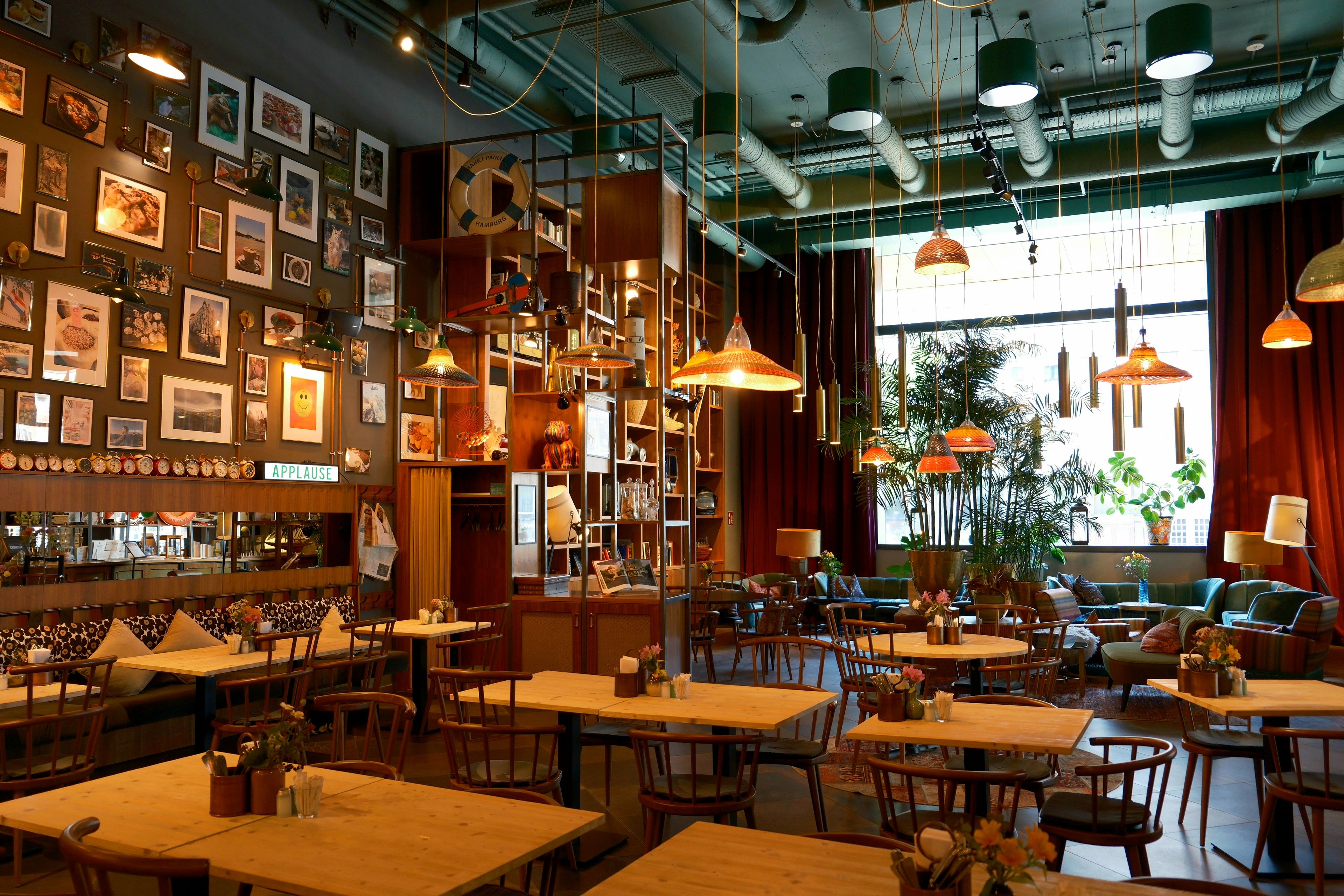
An opening and closing checklist captures the fixed actions at the start and end of every shift: from checking fridge temperatures to the cash drawer and the alarm. The goal is simple. The venue opens and closes the same way every day, no matter who is working. Without a list, that depends on memory and experience, which means it depends on whether the right person happens to be on shift.
Below you will find an example of both lists, with an explanation per item. After that: how to handle sign-off per shift, and how to fold the mandatory HACCP records into the same routine so you never do the same work twice.
Want the example as a printable list right away? With our free opening and closing checklist maker you can adjust the tasks below, add your own routine and print both lists. No account needed.
Why a fixed list, and not "everyone knows this anyway"
In a small team a checklist can feel like overkill. Everyone knows how the place opens, right? Until the regular opener is on holiday, a new colleague takes the early shift, or a busy morning throws the routine off. Then it turns out "everyone knows" really means: two people know, and everyone else copies them.
A checklist takes that knowledge out of heads and puts it somewhere every shift can reach. That cuts onboarding time, prevents skipped steps (a freezer door left ajar all night, an alarm that never got set), and makes the handover between shifts verifiable: you can see what was done and what was not.
Example: the opening checklist
Every venue is different, so treat this as a starting point. Cross out what does not apply and add what your venue needs.
Kitchen
- Fridges and freezers: check and record temperatures. Fridges at 7°C or below, freezers at -18°C or below. This check doubles as a required record: in the Netherlands, temperature registration is one of the daily lists the hospitality Hygiene Code asks for. Putting the check in your opening routine means it happens at the same moment every day. More on the rules in HACCP for restaurants.
- Check use-by dates. Go through the dated containers. Anything past its date goes out, anything that must be used today moves to the front.
- Prep check (mise en place). What is left from yesterday, what needs to be made today? Think soups, sauces, cut vegetables, dressings. Today's prep list follows from this check.
- Set up stations. Boards, containers, tools, equipment on. Every station laid out the same way, so anyone can find anything.
- Receive deliveries. Anything arriving today? Check temperature and condition on arrival, and get chilled goods into the fridge straight away.
Front of house and general
- Walk the room. Lighting, music, temperature, toilets clean and stocked.
- Set tables and terrace. To the standard layout, with today's reservations next to it.
- Open the till. Count the float and record the opening balance.
- Flush the coffee machine and the tap. The first cup and the first glass go down the drain, not to a guest.
- Go through reservations and notes. Large groups, allergies flagged in advance, anything the previous shift left in the handover.
Example: the closing checklist
Closing mirrors opening, with one extra job: leave the venue so the next shift can start without questions.
Kitchen
- Chill, cover and date. Everything going back into the fridge gets a date. Hot food cools down properly before it goes in.
- Clean stations and equipment. Following the cleaning schedule, and sign off what was done. This is another record the Hygiene Code asks for, so do it right the first time: name included.
- Dishes done, pot wash empty. Nothing left standing for the morning.
- Waste out, bins closed. Pest prevention too: an open container by the back door is an invitation.
- Equipment off, fridge doors shut. One last look at the fridge and freezer doors. A door left ajar costs you a night of cooling and possibly everything inside.
Front of house and general
- Close out the till. Count the takings, skim the drawer, note any differences.
- Close the room. Tables clean, chairs straight or up, terrace furniture secured, windows shut.
- Write the handover. What does the morning shift need to know? Stock running low, a complaint from tonight, a repair visit tomorrow.
- Final walk-through. Gas off, appliances off, heating down, lights out.
- Lock up and set the alarm. The last step, the same every night.
How to build your own list
The example above is a starting point, not your list. You do not write it at a desk, you write it in the venue:
- Walk along with an opening. Open the venue as usual, and write down every action as you do it. Include the things that feel obvious, because those are exactly what a stand-in forgets. Have the person who opens most often do the writing, they know the real order.
- Do the same for closing. Same approach, another evening. Closing tends to happen tired and against the clock, so write down what actually happens, not what should happen.
- Keep the list running for a few days. Every action you do that is not on the list gets added. Whatever is on the list but nobody turns out to do, you cross out, or you decide it should happen after all. After a week the list belongs to your venue, not to a template.
- Put it in order. Group by place (kitchen, bar, office) in the order you walk past them anyway, so the list does not cost an extra round.
- Hang it up. Print it, for instance with the opening and closing checklist maker, and put it where the routine starts: the opening list by the door or the coffee machine, the closing list by the pass or the till. A list on the wall is a fine way to start, as long as it gets signed off every shift instead of just hanging there.
And keep adjusting. A new menu, a different terrace season, a new appliance: the list changes with the venue, or the team starts working around it.
Sign-off per shift: who, when, and why it matters
A list that hangs on the wall but never gets ticked is a poster. The difference comes down to three things:
- One responsible person per shift. Not "the team" but a name: whoever opens signs off the opening list, whoever closes signs off the closing list. It can rotate, as long as it is clear who owns it today.
- Tick at the moment itself. A list filled in at the end of the week in one go proves nothing. Ticking belongs with the action, not with the paperwork afterwards.
- Keep the history. Today's signed list means little if last month's is gone. When a question comes up ("was the freezer checked on Monday?") or an inspector asks, you want to be able to look back.
On paper, that third point is the hard one: binders fill up, sheets go missing. The Dutch Nationale Horeca 2.0 Onderzoek 2025 found that 89.4 percent of hospitality businesses still track stock with pen and paper, and shift lists like these are no different.
How your checklist covers HACCP without double work
This is where it usually goes wrong in practice: there is an opening list for operations on the wall and a HACCP binder for the records, and both ask for part of the same work. Temperature checks are on both. Cleaning sign-off is on both. So one of the two gets skipped, usually the binder.
The fix is to merge the lists. The temperature check in your opening routine IS your daily HACCP record, as long as you capture it with a date, a time and a name. The same goes for the cleaning in your closing routine. One action, one sign-off, and it counts for both: the operation runs and the proof for an inspection is already there.
That is exactly how the HACCP part of moonies works. Checklists per shift that you tick on a phone, with a timestamp and a name attached to every tick, and a history you can show an inspector in a few clicks. The temperature record sits in the same list as the rest of your opening routine, so there is no separate binder left to forget.
And the knowledge behind the list, why the coffee machine gets flushed that way, how the alarm works, what the float amount is, belongs in your venue's memory: the searchable reference where colleagues find the answer without calling you. The checklist says what needs to happen, the memory explains how.
Frequently asked questions
What belongs in a restaurant opening checklist? The fixed actions that start the shift: check and record fridge and freezer temperatures, go through use-by dates, do the prep check, set up stations, open the till with a counted float, prepare the room and terrace, and go through reservations and the handover.
What belongs in a closing checklist? Chill, cover and date everything going back into the fridge, clean to the schedule with sign-off, waste out, close out the till, write the handover for the next shift, and the final walk-through: equipment off, doors locked, alarm on.
How do I build my own opening and closing checklist? Walk along with a normal opening and closing and write down every action as it happens. Then keep the list running for a few days: add what is missing, cross out what nobody does. Group by place, print it and hang it where the routine starts.
Who is responsible for signing off? One person per shift: the opener signs the opening list, the closer signs the closing list. Responsibility can rotate, as long as it is clear per day who owns it. Sign-off happens at the moment itself, never afterwards.
Is an opening and closing checklist mandatory? The checklist itself is not. Parts of it are: temperature and cleaning records belong to the registrations the Dutch hospitality Hygiene Code requires. Folding them into your opening and closing routine covers that obligation without keeping a separate administration.
Can I keep the checklist digitally? Yes, and it holds up better during an inspection than paper, because the date, time and name are captured automatically. In moonies you tick the lists per shift on a phone and the history stays available.
From wall poster to routine
A good opening and closing checklist is not a document you write once and pin up. It is a routine that gets signed off every shift, with a name attached and a history you can look back on. Start from the example above, make it your own, and merge the HACCP records into the operational list so it becomes one action.
Want to see how that works digitally? Look at HACCP in moonies for the tickable shift lists with history, and your venue's memory for the explanations and agreements behind them.